
That means production quality isn't a minor detail. A poorly built pallet can mean crushed inventory, rejected shipments, or a warehouse floor littered with broken boards.
Buyers still run into the same headaches, though:
- Inconsistent quality between orders
- Unclear specs on what "grade" or "type" actually means
- Confusion over which pallet fits which load
This article walks through how wooden pallets are actually made, the main types available, the standards that govern export and food-grade use, what drives pricing, and how to pick a producer you can rely on.
Key Takeaways
- Finished pallets move through lumber selection, milling, assembly, and inspection before they ship
- Stringer, block, and custom pallets each serve different load and handling needs
- ISPM-15 heat treatment is mandatory for export shipments
- Unit cost is set by wood type, size, new vs. recycled material, and order volume
- Multi-facility producers with inventory tracking help avoid shortages, delays, and quality gaps
How Wooden Pallets Are Made: The Production Process
Lumber Sourcing and Selection
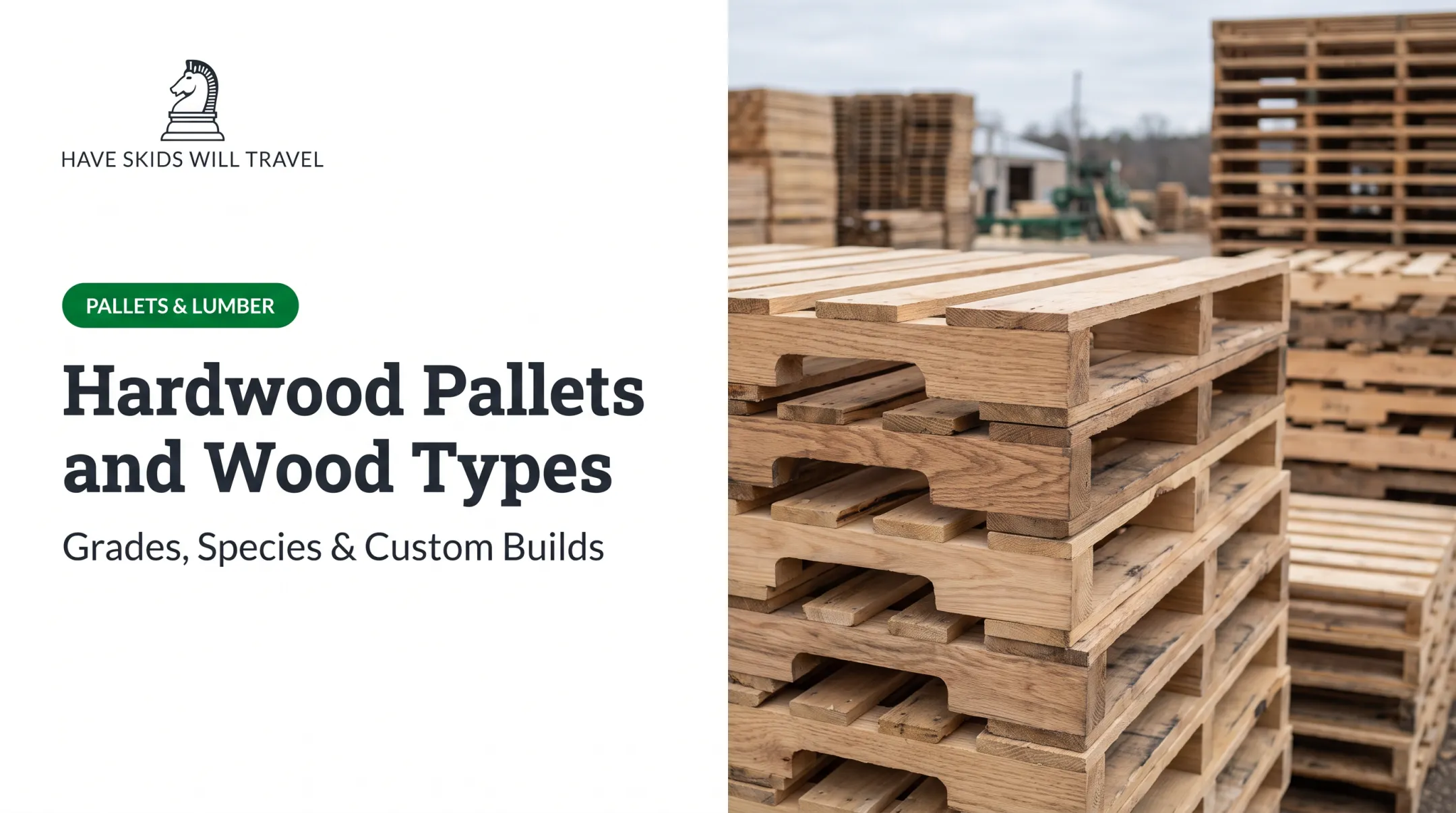
Pallet lumber splits into two broad categories: hardwoods and softwoods. Nationally, hardwoods have historically made up roughly 64% of pallet lumber by volume, with softwoods around 36%, according to USDA Forest Service research. Oak alone accounts for close to 27% of hardwood use.
Softwoods like pine tend to be lighter and less expensive. Hardwoods generally hold up better under repeated handling. Neither is automatically better. The right choice depends on load weight, handling frequency, and budget, not species alone.
Milling, Cutting, and Assembly
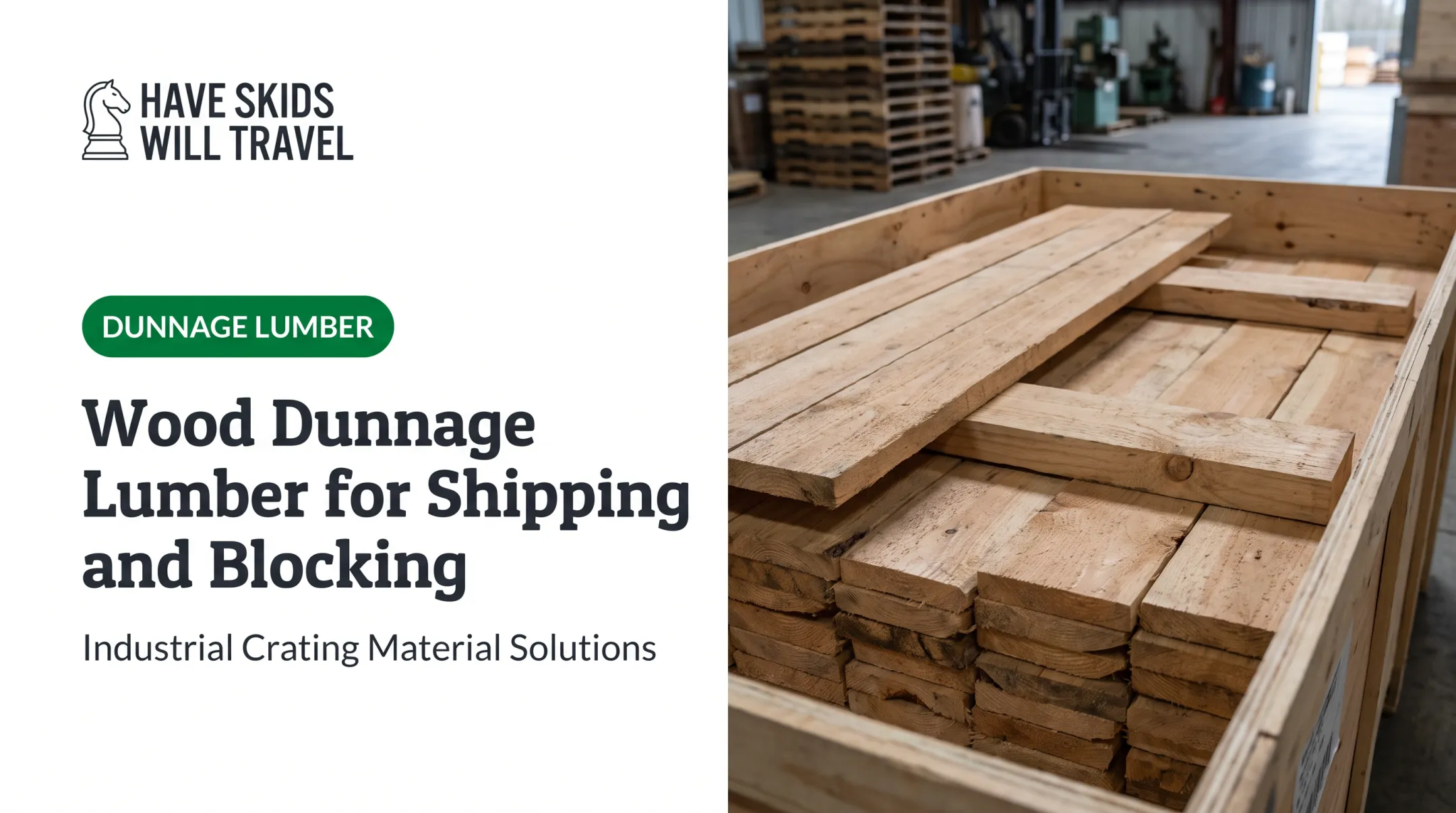
Mills cut raw lumber into three core components:
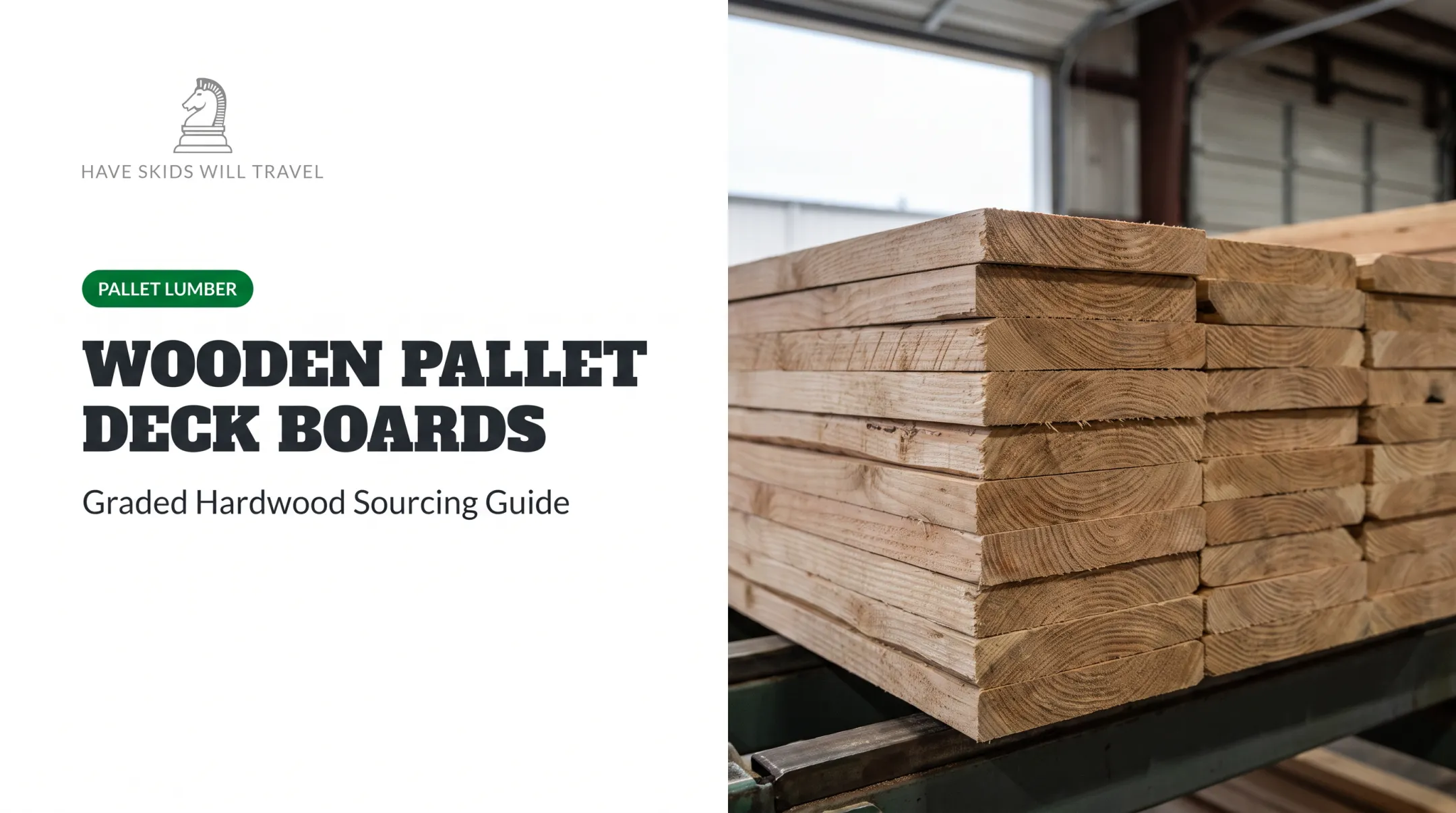
- Deck boards that form the flat top and bottom surfaces
- Stringers that run as parallel support beams in stringer-style pallets
- Blocks that replace stringers in block-style construction
Once cut to spec, boards are assembled with nail patterns matched to the pallet's intended load. Structural design at this stage sets how much weight the finished pallet can safely carry.

Quality Inspection
After assembly, each pallet goes through checks covering:
- Board thickness and condition
- Nail placement and fastening integrity
- Overall structural soundness
At Palleton, custom and standard pallets are built and inspected against consistent deckboard and stringer specifications, with a documented safety and quality inspection pass rate as part of the company's quality program.
Heat Treatment for Export (ISPM-15)
Pallets headed overseas also need ISPM-15 heat treatment. The entire wood profile, including the core, must reach a minimum of 56°C (133°F) for at least 30 continuous minutes, per the International Plant Protection Convention standard. The process kills pests and larvae without chemicals.
Palleton's ISPM-15 Heat Treat Certification uses controlled, monitored kilns to hit that threshold, then marks each treated unit with the official stamp customs inspectors look for.

Types of Wooden Pallets and How Production Differs
Stringer Pallets
Stringer pallets use parallel stringer boards running the length of the pallet, with deck boards nailed across the top (and often bottom). Forklifts typically enter from two sides unless the stringers are notched for partial four-way access.
Production is relatively simple: fewer components and a straightforward nailing pattern keep build time and cost down. That is why stringer designs remain the workhorse for general warehousing and standard GMA-style shipments.
Block Pallets
Block pallets replace stringers with solid blocks—usually nine per pallet—which enables four-way forklift entry. That flexibility matters in automated warehouses and heavy-load operations where pick paths change often.
Manufacturing takes more steps: extra blocks, more fasteners, and tighter squaring checks. The added labor and material typically raise cost, but the payoff is stronger corner support and faster handling in high-throughput facilities.

Custom Pallets and Crates
Custom builds start with the product, not a standard template. Producers account for:
- Exact load dimensions and weight
- Handling method (forklift, conveyor, pallet jack)
- Industry-specific requirements
Palleton designs custom pallets and crates around these factors, using engineering tools to right-size materials for oversized machinery, pharmaceuticals, fragile goods, and other specialized freight. Heavy-duty versions can be engineered specifically for high weight and racking demands.
Quality Standards, Certifications, and Wood Grades
New, Recycled, and Combination Pallets
- New pallets use fresh hardwood or softwood lumber: highest consistency at the highest cost.
- Recycled pallets are built from 100% reclaimed wood, inspected and repaired to in-house standards before resale.
- Combination (combo) pallets blend new and used components, balancing durability with lower cost.
ISPM-15 Compliance
Export shipments without proper ISPM-15 marking risk customs rejection. U.S. Customs and Border Protection inspectors check for pests, missing marks, or mixed untreated wood. They can issue an Emergency Action Notification for noncompliant material, which means delayed or refused entry.
Palleton supplies ISPM-15 heat-treated pallets and crates so export loads carry the required marks and clear inspection.
Food-Grade Washed Pallets
Food and beverage shippers often need washed, food-grade pallets to meet sanitary handling expectations under the FDA's Sanitary Transportation rule. Palleton offers food-grade washed pallets, shaped in part by work with large food-industry customers such as Hormel Foods.
What Determines Wooden Pallet Pricing
Pallet cost isn't one-size-fits-all. Four factors drive the number on your quote:
- Wood species — hardwood typically costs more than softwood
- Size — standard 48x40 GMA pallets price differently than custom dimensions
- New vs. recycled — recycled and combo options generally cost less
- Order volume — larger, recurring orders often see better per-unit pricing
As a rough benchmark, Fastmarkets reported April 2025 U.S. market pricing around $10-$14 for new pallets, $8.50-$10.50 for used Grade A, and $4-$8.50 for used Grade B. These are market assessments, not fixed supplier rates.

Custom pallets require a quote based on your specific dimensions, load, and treatment needs.
Beyond per-unit cost: working with one provider for sourcing, tracking, and sales—rather than juggling several vendors—can lower total spend over time. Palleton's national account sourcing consolidates purchasing through its own facilities and partner network, which cuts administrative overhead for multi-location operations.
Sustainability and Waste Reduction in Pallet Production
Landfilled pallets dropped more than 90% from 138 million in 1998 to roughly 13 million by 2016, according to USDA Forest Service and Virginia Tech research. That shift reflects how far repair, recovery, and reuse have moved into standard pallet production.
Producers extend pallet lifecycles through:
- Repair and re-work programs that keep pallets in circulation out of landfills
- Buy-back and core recovery, where usable pallets are purchased back from customers
- Combo pallets, mixing new and recycled lumber to balance cost and durability
When a pallet can no longer be repaired, Palleton grinds the wood into mulch or livestock bedding and recovers the steel nails for recycling.

Choosing a Reliable Wooden Pallet Producer
Not every producer offers the same reliability. Before signing on, evaluate:
- Certifications — is ISPM-15 heat treatment properly certified?
- Production capacity — can they handle your volume without delays?
- Geographic reach — do they cover your shipping lanes?
- Tracking technology — is there real-time visibility into inventory and orders?
Palleton addresses these with ISPM-15 heat-treat certification, seven facilities (including a lumber mill and custom pallet and crate shop), and an encrypted cloud-based tracking system that gives customers 24/7 access to inbound and outbound pallet data.
Consolidating purchasing, tracking, and sales with one provider also prevents the disruptions that come from juggling multiple vendors. Fewer handoffs mean fewer chances for a shortage to catch you off guard.
Long-term relationships built on honest lead-time communication, rather than the cheapest quote available, tend to hold up better when supply gets tight.
Frequently Asked Questions
How much does a pallet usually cost?
Cost depends on wood species, size, whether it's new or recycled, and order volume. Prices can range from a few dollars for used pallets to $15 or more for new custom builds. A specific quote is the only way to get an accurate number.
Who typically buys wooden pallets?
Buyers include manufacturers, distributors, warehouses, and exporters across food, pharmaceuticals, automotive, and retail sectors. Anyone shipping or storing goods at scale needs a reliable pallet source.
What are the three types of pallets?
Stringer pallets suit general warehousing. Block pallets allow four-way forklift access for heavier or automated handling. Custom pallets are built around specific load dimensions and industry requirements.
How long do wooden pallets typically last before needing replacement or repair?
Lifespan depends on handling frequency, load weight, and storage conditions. With normal use, most wooden pallets can be repaired and reused several times before they reach end of life.
What is the difference between heat-treated and standard wooden pallets?
Heat-treated (ISPM-15) pallets are required for international export to eliminate pests and meet customs requirements. Standard domestic pallets don't need this treatment unless a specific customer or regulation requires it.
Can wooden pallets be recycled or reused multiple times?
Yes. Pallets can be repaired, reworked, and reused several times. When the wood is no longer structurally sound, it is often recycled into mulch or other materials.