
Cold storage runs between 0°F and 40°F with consistently high humidity, and that combination stresses wood and plastic in ways ambient warehouses simply don't experience. Add freeze-thaw cycling, and pallets that perform fine at room temperature can become brittle, warp, or grow mold fast.
This guide breaks down material choice, sizing, racking compatibility, and maintenance, so you can choose pallets that actually hold up in the cold.
Key Takeaways
- Cold storage pallets face moisture absorption, sustained-cold load stress, and strict hygiene demands all at once
- Material selection depends on load frequency, handling method, and whether food-grade or export certification applies
- Confirm pallet size against rack beam length and depth before ordering. Mismatches cause real operational problems
- Inspect pallets regularly and never force frozen units apart; freeze-thaw stress causes sudden cracking
- Flexible supply programs prevent pallet shortages that disrupt cold chain schedules
Why Cold Storage Requires Specialized Pallets
Ambient warehouses deal with dust and occasional spills. Cold storage deals with condensation, frost, and repeated freeze-thaw cycles that punish materials differently.
Wood fungi need oxygen, the right temperature, food, and water to grow — and cold storage supplies all four.
According to NWPCA/Woodpack Global's research on wood pallets, surface moisture alone can be enough for mold spores to germinate and sporulate within days, especially on pallets that haven't fully dried before entering service.
Three main stress points define cold storage pallet performance:
- Moisture absorption — untreated or improperly dried wood soaks up humidity and condensation, accelerating decay and mold
- Load-bearing under sustained cold — fracture behavior changes in cold, humid conditions, raising the risk of sudden structural failure
- Hygiene requirements — food and pharma operations need pallets that won't harbor contaminants or shed splinters
A 2024 peer-reviewed study on wooden pallets in humid-cold environments confirmed that cold, humid conditions alter how wood fails under load.

Industries most exposed include food and beverage, pharmaceuticals, chemicals, and grain handlers. For these businesses, a pallet failure doesn't just mean a broken board — it can mean a rejected shipment, a contamination investigation, or costly product loss.
Get the material wrong once, and you're paying for it twice: once in replacement pallets, once in disrupted deliveries.
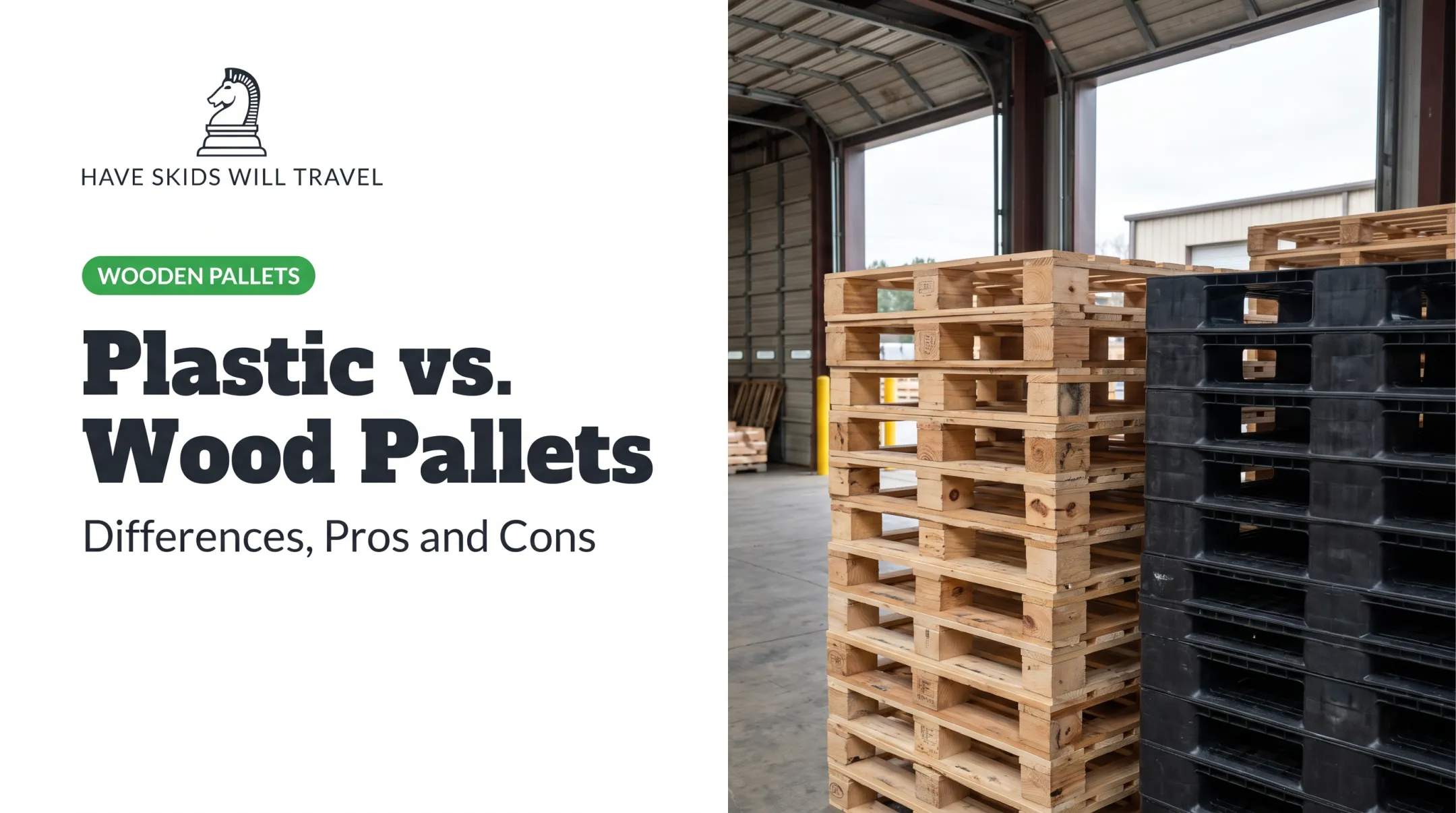
Comparing Pallet Materials for Cold Storage
Not all pallets handle cold and damp the same way. Here's how the main options stack up.
Treated and Kiln-Dried Wood
Wood remains the most cost-effective and customizable option for cold storage, provided it's properly treated. Heat treatment kills fungi on or near the surface, but it generally doesn't dry the wood fully. Treated wood isn't automatically immune to later mold growth if it gets wet again.
That's why kiln-drying or equivalent drying before shipment matters as much as the heat treatment itself.
Plastic (HDPE/PP) Pallets
Plastic pallets resist moisture naturally and clean easily, which makes them attractive for strict hygiene environments. Plastic also doesn't hold moisture the way wood can, a meaningful advantage in humid freezer rooms.
The tradeoff is higher upfront cost, and capacity ratings vary significantly by product design. Some freezer-rated plastic pallets handle temperatures as low as -60°F, but that rating applies to the specific product, not plastic as a material category.

Combination Pallets
Wood decks reinforced with plastic or metal components aim to balance durability with cost for operations running repeated cold storage cycles.
Independent cold-chain performance data for combination pallets is limited. If you're considering this option, ask your supplier for construction details and how the pallet has been tested.
Export and Food-Grade Requirements
Two certifications matter most for cold storage buyers:
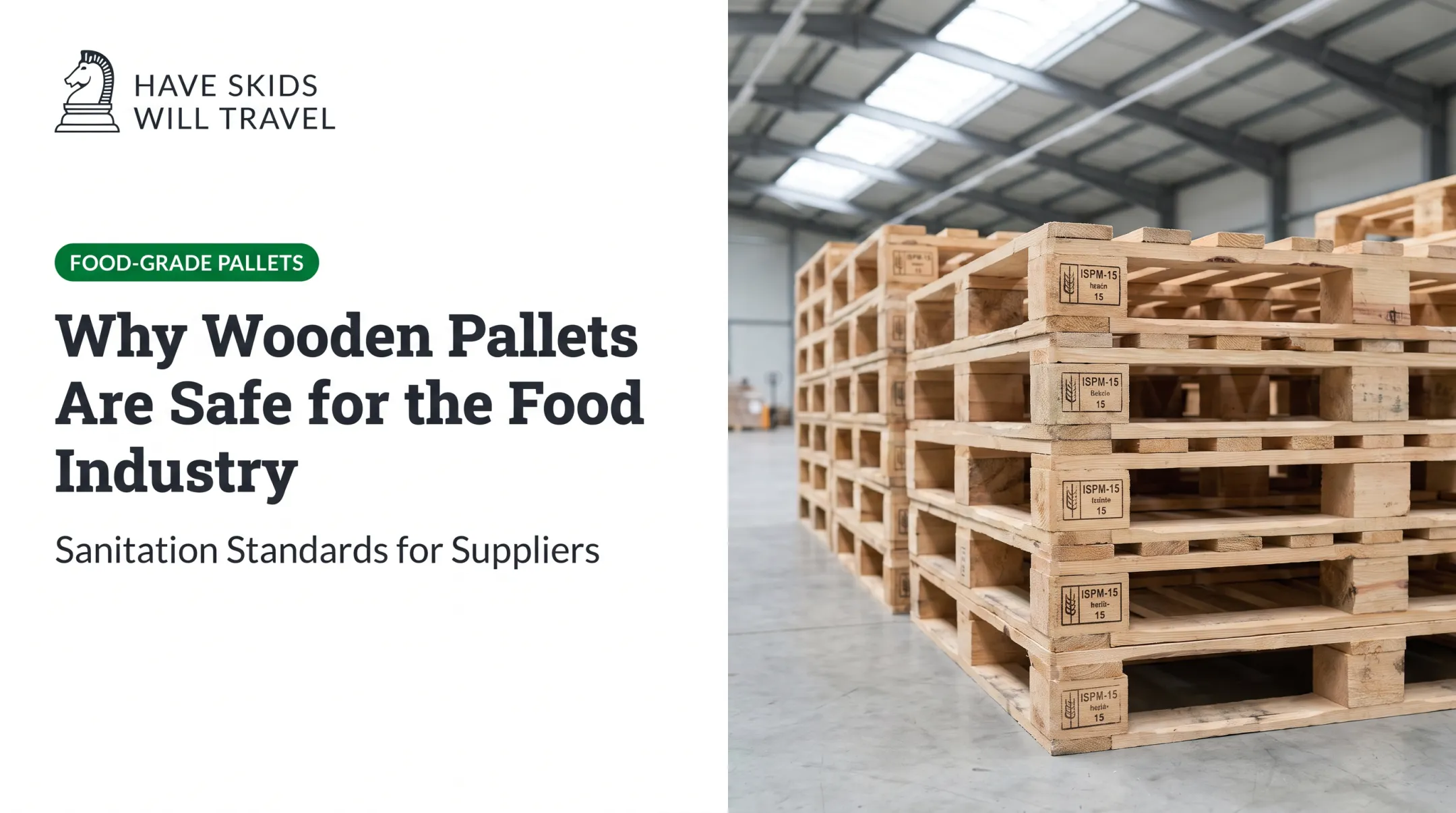
- ISPM-15 heat treatment: required for wood pallets in international shipments
- Food-grade washing: needed when goods have direct food contact in cold environments
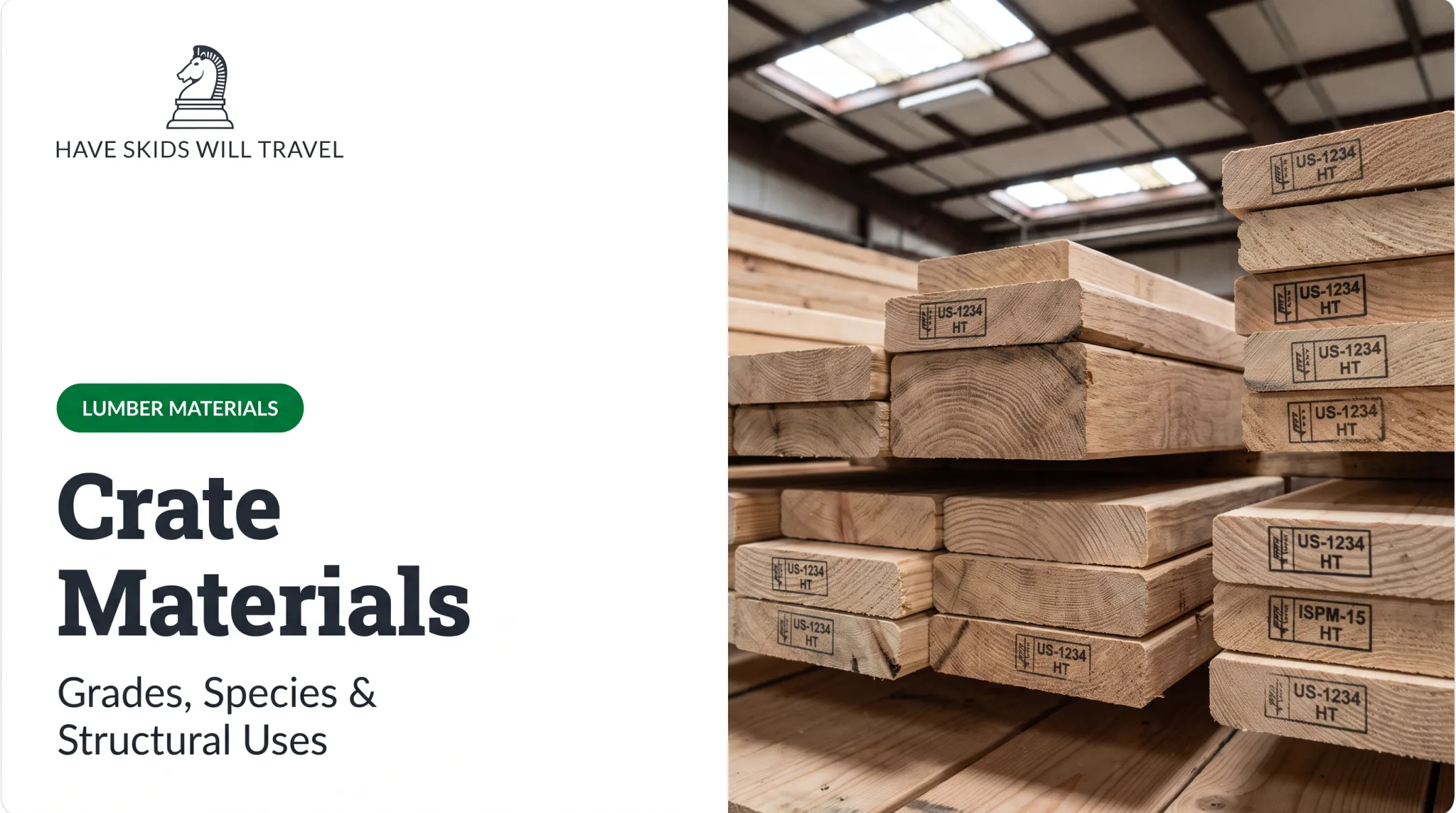
ISPM-15 follows USDA APHIS export guidance: a wood core temperature of 56°C (133°F) for at least 30 minutes, then an accredited quality mark. Palleton is ISPM-15 heat treat certified, so export-bound cold chain shipments can move without compliance delays.
For refrigerated or frozen goods with direct food contact, sanitation goes beyond visual cleanliness. Palleton offers food-grade washed pallets using processing plant procedures developed alongside customers like Hormel Foods.
How to Choose the Right Pallet for Your Cold Storage Operation
Matching pallet to application starts with how the pallet actually gets used day to day.
Consider these factors before ordering:
- Handling frequency: Operations moving pallets multiple times daily need impact resistance and manageable weight for forklift and manual handling
- Storage method: Floor storage prioritizes moisture resistance; racked storage needs load ratings that account for sustained pressure and material creep at low temperatures
- Load capacity: Match static, dynamic, and rack ratings to your heaviest expected load, plus a safety buffer for cold-condition performance drops
- Certification needs: Export compliance (ISPM-15) or food-grade requirements should shape material selection from the start, not get bolted on later
Virginia Tech's Center for Packaging and Unit Load Design notes that pallet capacity depends on the specific support condition, loading arrangement, and payload. There's no universal number that applies across designs. Get the actual rating for your exact pallet and racking setup, not a generic industry figure.

Those ratings only help if supply keeps pace with demand. Businesses with seasonal spikes, such as beverage producers ramping up before summer or food processors managing harvest-season shipments, often do better with flexible recurring or emergency pallet programs than a one-time bulk order.
Palleton's recurring programs coordinate delivery around production schedules. Its emergency access process connects customers directly with an account executive when timing gets tight.
Pallet Sizing and Racking Compatibility
Size mismatches cause more cold storage headaches than most buyers expect.
Common cold storage pallet sizes (per Modern Materials Handling's Pallet Report):
- 48×40 inches: dominant standard for roughly 72-77% of food, beverage, and industrial operations
- 42×42 inches: used by 15-19% of operations, often in specific industry applications
Before ordering, confirm three things with your supplier:
- Rack beam length: pallet overhang beyond the beam creates instability, especially under cold-storage load creep
- Upright depth: pallets too shallow or too deep for the rack system waste space or risk tipping
- Clearance height: matters more in automated systems where tight tolerances are the norm
Swisslog's research on automated storage and retrieval systems identifies inconsistent pallet dimensions as a primary AS/RS challenge. Mismatched pallets can trigger equipment malfunctions and downtime.

In narrow-aisle or automated cold storage, a pallet an inch off spec can stop the line.
Maintaining Cold Storage Pallets for Longer Service Life
Even the right pallet degrades faster in cold storage than in ambient conditions. Regular inspection catches problems before they become product losses.
Build these habits into your maintenance routine:
- Inspect pallets every 1-2 months for cracking, warping, or moisture damage tied to freeze-thaw cycling
- Never force apart frozen or ice-covered pallets . The sudden stress can crack stringers that would otherwise hold up fine
- Watch for repeated stacking in the same freezer zones, where condensation tends to concentrate
Freeze-thaw stress changes fracture behavior in wood, raising the risk of sudden failure rather than gradual wear. That's a different maintenance mindset than ambient warehousing, where damage tends to show up slowly.
Pairing a recurring pallet delivery program with a tracking system gives you visibility into pallet age and condition across facilities. Palleton's encrypted, cloud-based tracking provides 24/7/365 access to inbound and outbound pallet details, plus quality records that support audit trails. That visibility helps you spot which facility burns through pallets fastest and plan replacements before failures hit the floor.

Why Businesses Choose Palleton for Cold Storage Pallet Programs
Palleton has spent more than 45 years in the pallet and lumber industry. For cold storage buyers, that experience helps prevent the rejected shipments that follow a bad pallet decision.
What sets Palleton apart for cold storage buyers:
- ISPM-15 heat treat certification for wood pallets and crates headed to export markets, including cold chain shipments crossing international borders
- Food-grade washed pallets for operations with direct food contact requirements
- National account sourcing through seven company facilities and trusted partner manufacturers, reducing the risk of regional supply gaps
- Flexible recurring and emergency programs that match delivery schedules to production needs instead of one-size-fits-all ordering
- Encrypted, real-time pallet tracking for multi-facility visibility into inventory and quality without manual paperwork
Hormel Foods has specifically praised Palleton for delivering pallets reliably "when we need them," alongside consistent quality. That reliability keeps cold storage lines moving when a shortage would otherwise stop production.
Frequently Asked Questions
How many pallets are in a 40ft reefer?
A standard 40ft reefer typically holds around 20 standard 48×40 pallets in a single, unstacked layer, though this varies by pallet dimensions and loading configuration. Treat this as a planning estimate rather than a fixed number.
What temperature range do cold storage pallets need to withstand?
Cold storage pallets need to perform reliably between 0°F and 40°F, matching FDA's refrigerator and freezer storage benchmarks. Deep-freeze applications may require stability at even lower temperatures.
Are wooden pallets safe to use in cold storage?
Properly dried and treated wooden pallets can perform well in cold storage. The key is thorough drying before use, since heat treatment alone doesn't eliminate moisture that leads to warping or mold.
How often should cold storage pallets be replaced?
Replacement frequency depends on material type and handling intensity rather than a fixed timeline. Regular inspection every 1-2 months helps catch damage before it affects stored goods.
Do cold storage pallets need ISPM-15 certification?
ISPM-15 heat treatment is required for wood pallets used in international shipments, including many cold chain exports. It's a phytosanitary measure targeting pests, not a cold-performance or sanitation standard.
What size pallet is standard for cold storage warehouses?
48×40 inch pallets are the most common size in U.S. cold storage operations. Always confirm sizing against your specific racking specifications before ordering.