
Introduction
A fully loaded container means nothing if the pallet underneath it fails inspection. Every year, shipments sit in quarantine because of a stamp, not the cargo. An untreated pallet, a worn-off mark, or the wrong material can hold up freight that was otherwise ready to move.
Certified heat-treated wood pallets solve this problem at the source. They combine a verified thermal treatment process with the IPPC/ISPM-15 mark that customs and port inspectors look for on solid wood packaging in international trade.
This guide covers:
- What certification actually means
- How to read the IPPC mark
- Matching pallet specs to your shipment
- What drives cost
- How to vet a supplier before you order
Key Takeaways
- Heat treatment alone is not ISPM-15: only authorized, audited programs with the official mark qualify for export.
- Match pallet dimensions, design, and load capacity to your cargo, racking, and destination rules before ordering.
- Weigh cost, durability, and cargo fit before choosing plastic or engineered wood alternatives.
- Request a quote with dimensions, weight, destination, volume, and delivery schedule.
What Certified Heat-Treated Wood Pallets Mean
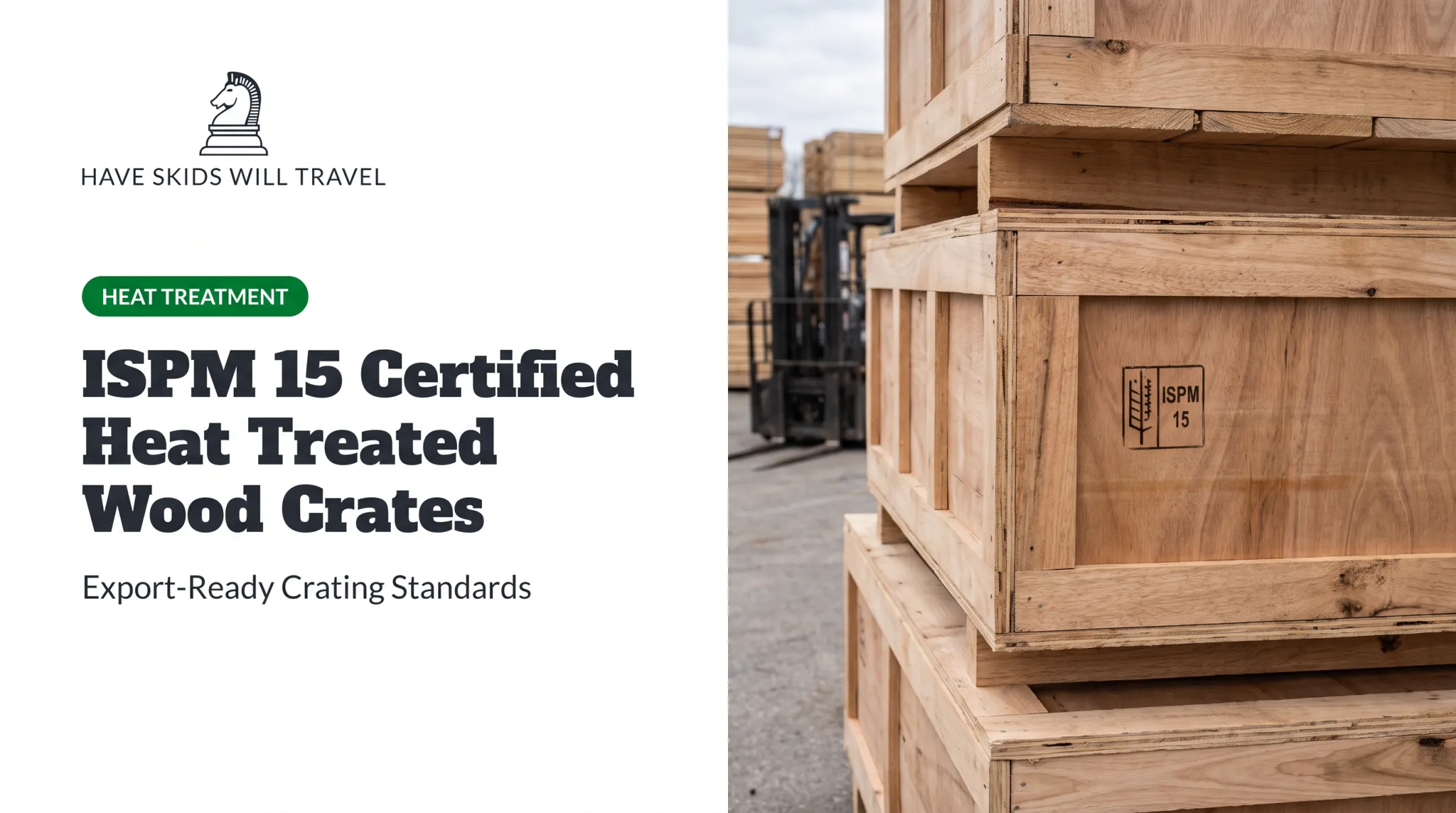
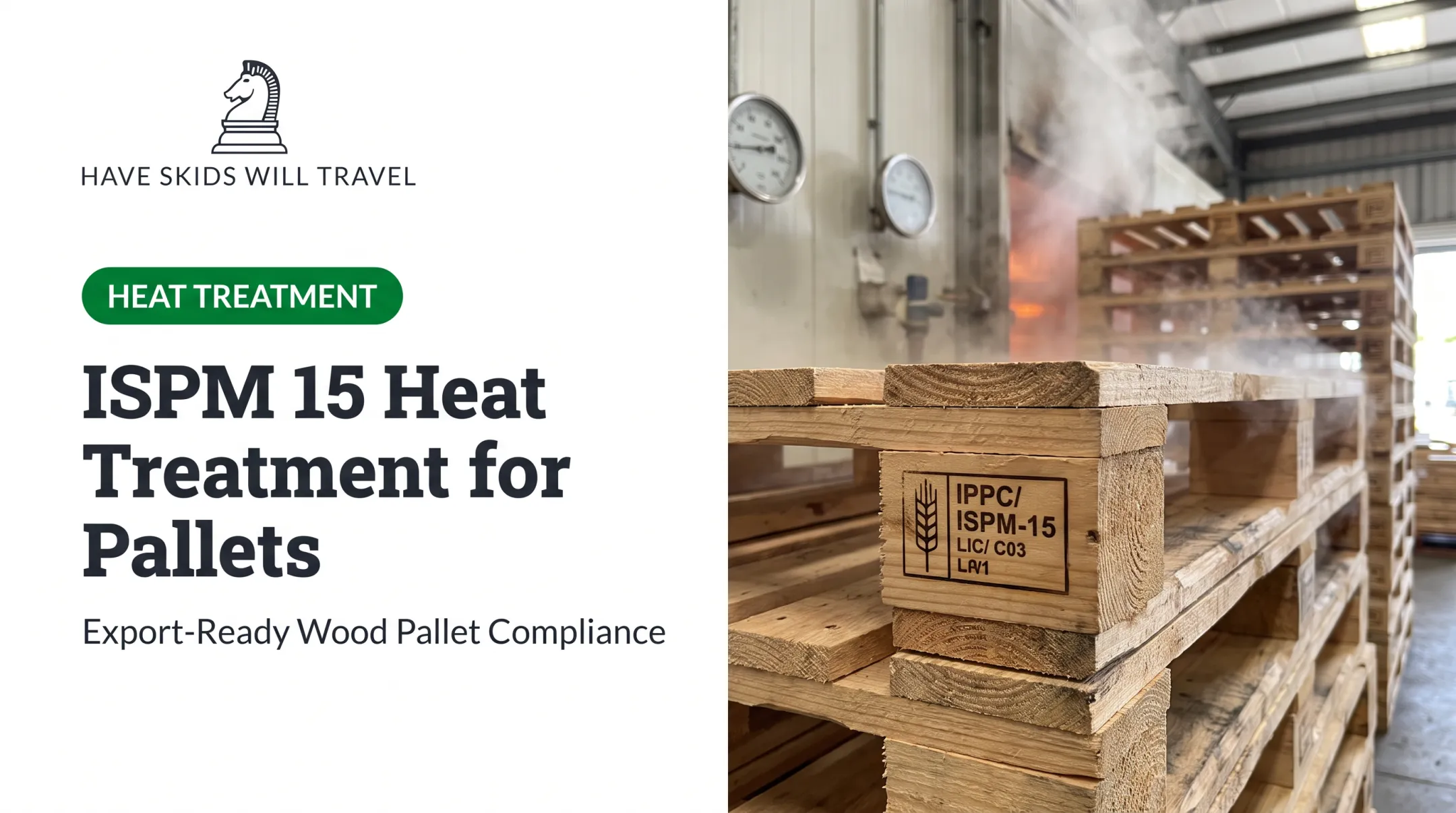
Heat-treated (HT) wood pallets are solid wood pallets processed through a controlled heating program designed to kill pests hiding in the wood, then stamped with proof of that treatment. The treatment itself targets insects, larvae, fungi, and other organisms that raw wood packaging can carry across borders.
ISPM-15 (International Standards for Phytosanitary Measures No. 15) exists for one reason: raw wood packaging has historically moved invasive pests between countries, threatening forests and farmland on the receiving end. The standard requires that solid wood packaging material be treated and marked before it crosses certain borders.
Reading the IPPC Mark
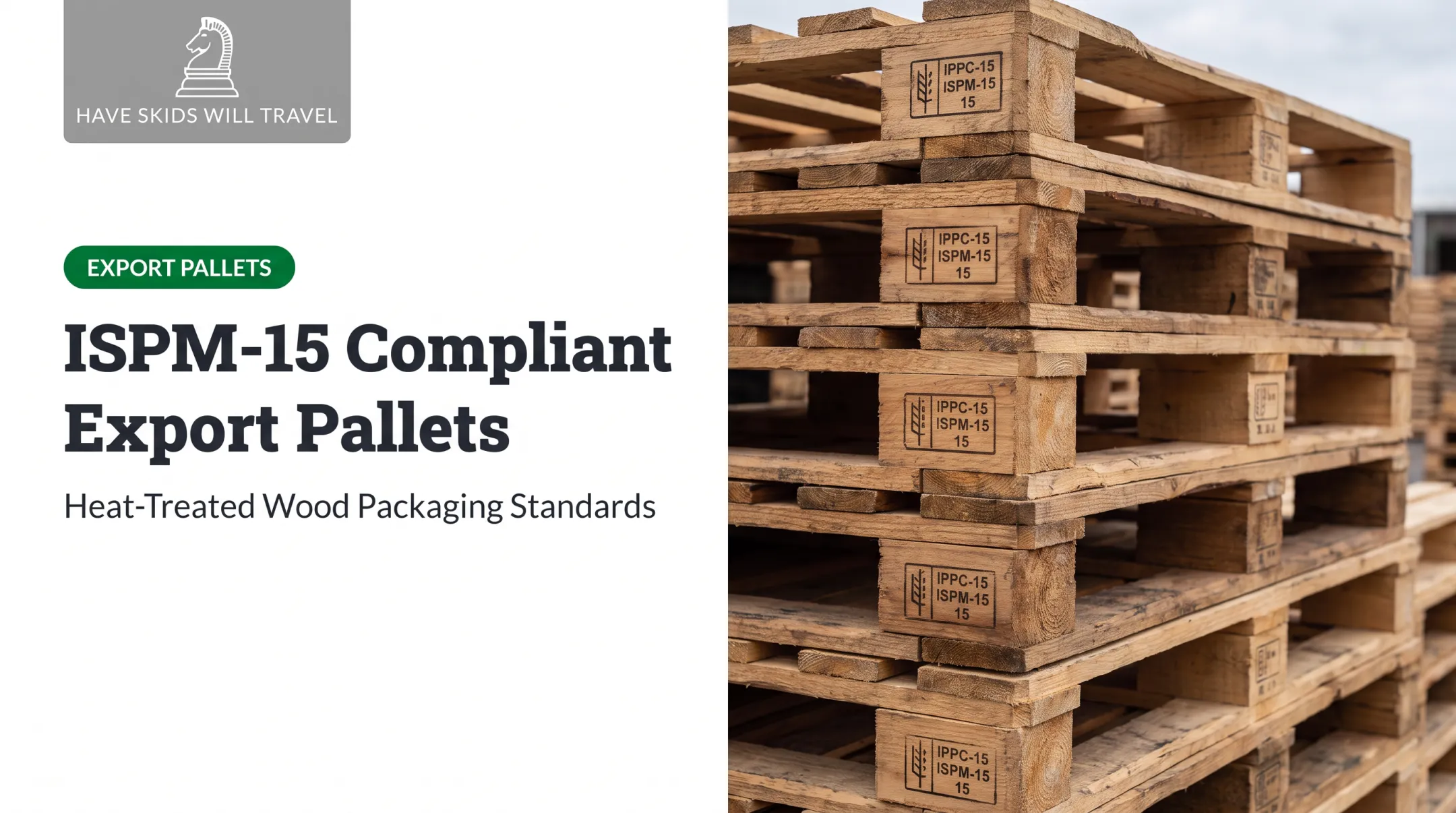
A compliant pallet carries a mark with four components:
- IPPC logo: the wheat-stalk symbol
- Country code: a two-letter ISO code (US for United States)
- Facility number: a unique ID for the certified treatment provider
- Treatment code: such as HT for heat treatment
A real-world example looks like this: "PL-02 334 HT." That code isn't decorative. It tells an inspector the pallet was produced under an audited, approved program, not just kiln-dried for convenience.

Palleton's own facilities are ISPM-15 Heat Treat Certified, so pallets built or treated through our network carry that same verifiable mark.
HT vs. Kiln Drying vs. Fumigation
These terms get used interchangeably, and that's where buyers get into trouble.
| Process | What it does | Proves export compliance? |
|---|---|---|
| Heat treatment (HT) | Wood core reaches at least 133°F (56°C) for 30 continuous minutes, per USDA APHIS's wood packaging treatment program standard | Yes, when certified and marked |
| Kiln drying (KD) | Reduces moisture content for stability | Only if the same time/temperature schedule is verified and certified, since KD alone isn't a separate mark code |
| Fumigation (MB/SF) | Chemical treatment using methyl bromide or sulfuryl fluoride | Yes, under its own mark code, not interchangeable with HT |
Not every wood product needs the mark at all. Packaging made entirely from wood 6mm or thinner, plus processed materials like plywood, OSB, and particleboard, generally falls outside ISPM-15's scope. Confirm current exemptions with your supplier or destination country before assuming a product is exempt.
Why ISPM-15 Certification Matters for Export Shipping
Skip certification, and the consequences land on your timeline and your budget. Noncompliant wood packaging can trigger inspection holds, quarantine, mandatory treatment, or outright refusal at the port.
U.S. Customs and Border Protection has guidelines calling for immediate export of certain noncompliant wood packaging materials, and the agency can assess liquidated damages and penalties even after a company corrects the violation. That's not a fine you negotiate down once goods are already in transit.
What Certification Does — and Doesn't — Cover
A compliant mark on your pallet handles the wood packaging piece of your export. It does not replace:
- Cargo declarations
- Import permits
- Destination-specific product documentation
- Any other export paperwork tied to the goods themselves
Verify Pallets, Destinations, and Treatment Codes
This matters most when pallets are reused, repaired, or pulled from multiple vendors for one shipment. A single unmarked or improperly marked pallet in a container of otherwise compliant units can still trigger a hold.
Country requirements aren't universal, either. APHIS maintains a destination list of countries requiring ISPM-15 compliant wood packaging, including Argentina, Australia, and Brazil — but the agency is explicit that the list is not all-inclusive. Always confirm current requirements for your specific destination before you ship.
Treatment codes need the same scrutiny. Heat treatment is a non-chemical process: HT pallets reach the required temperature through heat alone, with no fumigants. A clean or new-looking pallet still isn't proof it is chemical-free. Confirm the method through supplier documentation and the stamped treatment code, not appearance.

How to Choose the Right Certified Pallets
Pallet selection starts with your cargo, not a catalog. Dimensions need to match your product footprint, warehouse racking, container or trailer interior, and the forklifts or pallet jacks that will actually move the load.
A standard 48 × 40-inch GMA stringer pallet covers most retail, food, beverage, and general manufacturing loads. Oversized or irregular cargo (machinery, equipment, long or narrow components) typically needs a custom-built pallet engineered around the product's actual dimensions, weight, and handling method.
Static, Dynamic, and Racking Loads Are Different Things
Don't confuse these three:
- Static load — what the pallet holds while sitting still on a warehouse floor
- Dynamic load — the stress created when a forklift lifts and transports it
- Racking load — the stress from being supported only at the ends or edges in a warehouse rack, rather than across a solid floor
A pallet rated for floor storage isn't automatically rated for racking. If your product sits in a rack system, say so when you request a quote.
Design Features That Affect Handling
- Stringer pallets use continuous longitudinal beams; block pallets use discrete spacers between deck boards
- Two-way entry — forklift access from two ends only
- Four-way entry (full or partial) — side access as well; verify bottom-deck construction rather than assuming
- Deck-board spacing and thickness — affect product stability and whether smaller items can shift or fall through
Matching Specs to Cargo Type
- Food and beverage — often benefits from food-grade washed pallets
- Pharmaceuticals and chemicals — consistent, traceable sourcing matters more than cost
- Automotive and machinery — heavier loads typically need reinforced, custom designs
- Moisture-sensitive products — pallet condition and lumber grade matter as much as treatment
New, recycled, repaired, and custom-built pallets all have a place. A new hardwood pallet gives you the most consistency.
A recycled pallet with in-house inspection and repair standards can cut cost without sacrificing export eligibility, as long as it's certified. Match the option to how much consistency you need and what your budget allows—both work when the pallet fits the load and carries valid certification.

What to Check Before You Buy
Before cargo goes anywhere near a pallet, inspect it. A quick checklist:
- Dimensions: match your cargo footprint and racking or container space
- No visible damage: broken boards, protruding nails, or splintering
- No contamination: oil stains, mold, or pest evidence
- Stable construction: no wobble or loose joints under load
- Handling equipment: forklift entry type matches what you use
Verify the Mark, Don't Just Trust It
Look for the full IPPC mark (logo, country code, facility number, and treatment code) somewhere visible on the pallet. It should be legible and intact, not scuffed off or painted over.
Repairs are where compliance often fails. If a pallet has been repaired or had boards replaced, confirm whether those repairs were made under the same certified treatment program. A repaired pallet with an untreated replacement board can fail inspection even if the original mark is still visible.
What to Ask Your Supplier
Before you buy, request:
- Current certification status and facility number
- Treatment details and any available treatment records
- Lot or production traceability
- Load ratings for your specific use case (static, dynamic, racking)
Quote-Request Checklist
Have this ready before you call:
- Quantity and pallet style
- Dimensions and cargo weight
- Shipping mode and destination countries
- One-time order vs. recurring program
- Delivery location and required date
- Whether custom crates or additional packaging are needed
Buy Certified Heat-Treated Pallets from a Qualified Supplier
Price per unit tells you almost nothing about whether a supplier can actually keep your supply chain moving. Look instead at certification status, consistency across orders, production capacity, and how clearly they communicate lead times.
Palleton has been building pallets and crates for more than 45 years and is ISPM-15 heat treat certified for both pallets and crates. The company operates seven facilities, including a lumber mill and a dedicated custom pallet and crate shop, serving businesses across the Midwest.
That setup supports what certified pallet buyers typically need:
- Standard 48 × 40 GMA pallets for straightforward loads
- Custom pallets and crates engineered around product dimensions, weight, and handling method
- National account sourcing for businesses managing pallet programs across multiple locations
- Recurring and emergency order programs, backed by lead-time communication from the logistics team
A conversation with a supplier before you order can prevent overbuying, too. Palleton's sales team looks at cargo protection needs, total pallet spend over time, and delivery planning together, rather than quoting a single SKU in isolation.
If you're ready to move forward, contact Palleton with your pallet dimensions, load weight, destination, expected volume, and timing. The team can recommend a certified pallet or crate solution matched to your shipment requirements.
Frequently Asked Questions
What are ISPM-15 compliant pallets?
They're solid wood pallets treated through an approved method such as heat treatment, then marked with the IPPC logo, country code, facility number, and treatment code. Always verify current rules for your specific destination before shipping.
What is a fumigated pallet?
A fumigated pallet has been treated with a pest-control gas or chemical, such as methyl bromide (MB) or sulfuryl fluoride (SF), rather than heat. Check the treatment code on the mark and confirm your destination accepts that specific method.
How much does a heat-treated pallet cost?
Cost depends on dimensions, design, lumber type, load capacity, order volume, and delivery requirements. There's no universal fixed price — request a quote with your specific shipment details for an accurate number.
Which countries require ISPM-15?
Many international trading partners regulate solid wood packaging, but requirements and exemptions vary by country. Check current official guidance for your specific destination rather than relying on a general list.
Can you use plastic pallets for international shipping?
Plastic pallets generally fall outside ISPM-15 rules, which apply to raw solid wood packaging. Still, weigh cost, load performance, sanitation, and your destination's specific requirements before switching materials.
Where can I buy ISPM-15 pallets?
Buy from a supplier enrolled in an authorized treatment and marking program, and verify the IPPC mark on every pallet or crate before shipping. Contact Palleton to check certified heat-treated availability and get a tailored quote.