
Tossing them in a dumpster feels easy, but it's rarely cheap or smart. Landfill fees add up, usable lumber goes to waste, and you lose money that a buy-back program could have put back in your pocket. An estimated 25.39 million wooden pallets were landfilled in 2016 alone, according to a Virginia Tech survey reported by Pallet Enterprise — a number that shows just how much recoverable material still ends up buried.
This guide walks through how to evaluate your pallets, where to send them, and how working with an established recycler like Palleton takes the guesswork out of the process.
Key Takeaways
- Most wood pallets can be reused, repaired, or recycled — landfilling should be your last resort
- Sorting pallets by condition (reusable, repairable, scrap) determines your best disposal path
- Businesses with steady pallet volume can often earn money through buy-back or recycling programs
- Partnering with a recycler like Palleton turns steady pallet volume into buy-back value and less landfill waste
How to Evaluate Your Wood Pallets Before Disposal
Before deciding whether to reuse, sell, or scrap a pallet, take a close look at its condition.
Check for Structural Damage
Walk the pallet and look for:
- Broken or cracked deckboards that no longer support weight evenly
- Split or damaged stringers (the runners the forklift forks slide under)
- Protruding nails or splinters that pose a safety hazard
- Signs of moisture damage or rot, which weakens the wood over time
A pallet with one or two minor issues is usually repairable. One with multiple structural failures is closer to scrap.
Identify the Treatment Type
Look for a stamped mark on the stringer, often called the "bug" or "wheat" stamp. This mark includes a country code, facility number, and a treatment code:
- HT means heat-treated : the wood core reached at least 133°F (56°C) for 30 minutes, per USDA APHIS standards
- MB means methyl bromide fumigation — a chemical treatment

This distinction matters. Heat treatment uses temperature only, no chemicals, which makes HT-stamped pallets safer for DIY projects. MB-fumigated pallets should not be burned or used for food-contact projects. The same goes for pressure-treated lumber, which the EPA advises against burning.
If a pallet has no visible stamp at all, treat it with caution. Unknown history means unknown risk, so recycle it rather than repurpose it for furniture or firewood.
Track Trends If You're a Business
If your operation generates pallet volume regularly, track condition over time. Are you seeing more breakage from a particular supplier? Is one pallet size wearing out faster?
Palleton's cloud-based tracking gives customers 24/7 access to inbound and outbound pallet details, so you can spot patterns and plan recycling schedules instead of reacting pallet by pallet.
Options for Disposing of Wood Pallets
Once you've sorted your pallets, you've got several paths forward. Here's how they stack up.
Sell or Donate Usable Pallets
If a pallet is structurally sound, it still has value:
- List it on local marketplaces or classifieds
- Offer it to garden centers, farms, or landscaping businesses
- Donate to nonprofits building community gardens or shelving
Recycle Through a Dedicated Pallet Recycler
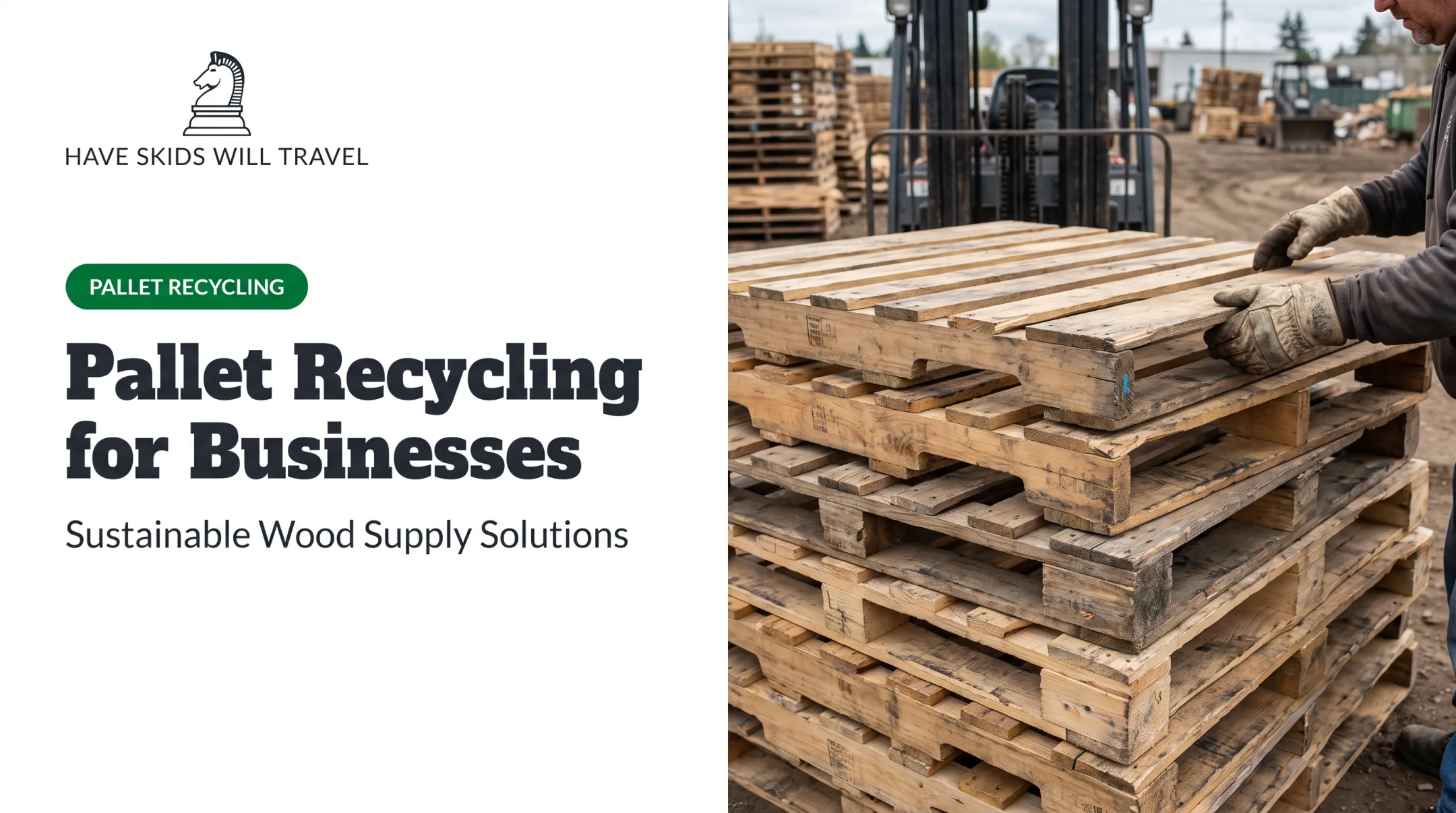
This is usually the best option for businesses generating consistent volume. Recyclers and suppliers with buy-back programs accept:
- Repairable pallets (which get fixed and resold)
- Scrap pallets (broken down into mulch, bedding, or fuel)
- Mixed loads, though sorted loads often get better pricing

Repurpose Damaged Pallets for DIY Projects
Broken pallets still have life left in them. Common projects include planters, compost bins, and rustic shelving. One important caution: only use HT-stamped or clearly untreated wood for DIY builds, especially anything touching soil, food, or skin.
Break Down Unusable Pallets for Scrap Wood
If a pallet is truly done, salvage what you can:
- Kindling for fireplaces (untreated wood only)
- Fencing or garden borders
- Compost bin frames
Landfill Disposal — Last Resort
When nothing else works, know before you go:
- Call ahead to confirm the landfill accepts wood waste
- Ask about fees — rates vary by facility and region
- Separate wood from other debris to avoid contamination charges
Over 25 million pallets still end up landfilled each year, based on national estimates. Putting recycling first keeps more wood in circulation and trims disposal costs.
Wood Pallet Recycling Process Explained
Ever wonder what actually happens after a recycler picks up your used pallets? Here's the typical flow.
Collection and Sorting
Recyclers gather used pallets from manufacturers, distributors, and retailers, then sort them by material, size, and condition. This step determines whether a pallet gets repaired or broken down for parts.
Palleton, for example, purchases common sizes and grades — including 48×40 four-way GMA pallets — and applies in-house inspection standards to every unit that comes through the door.
Repair and Reconditioning
Repairable pallets go through:
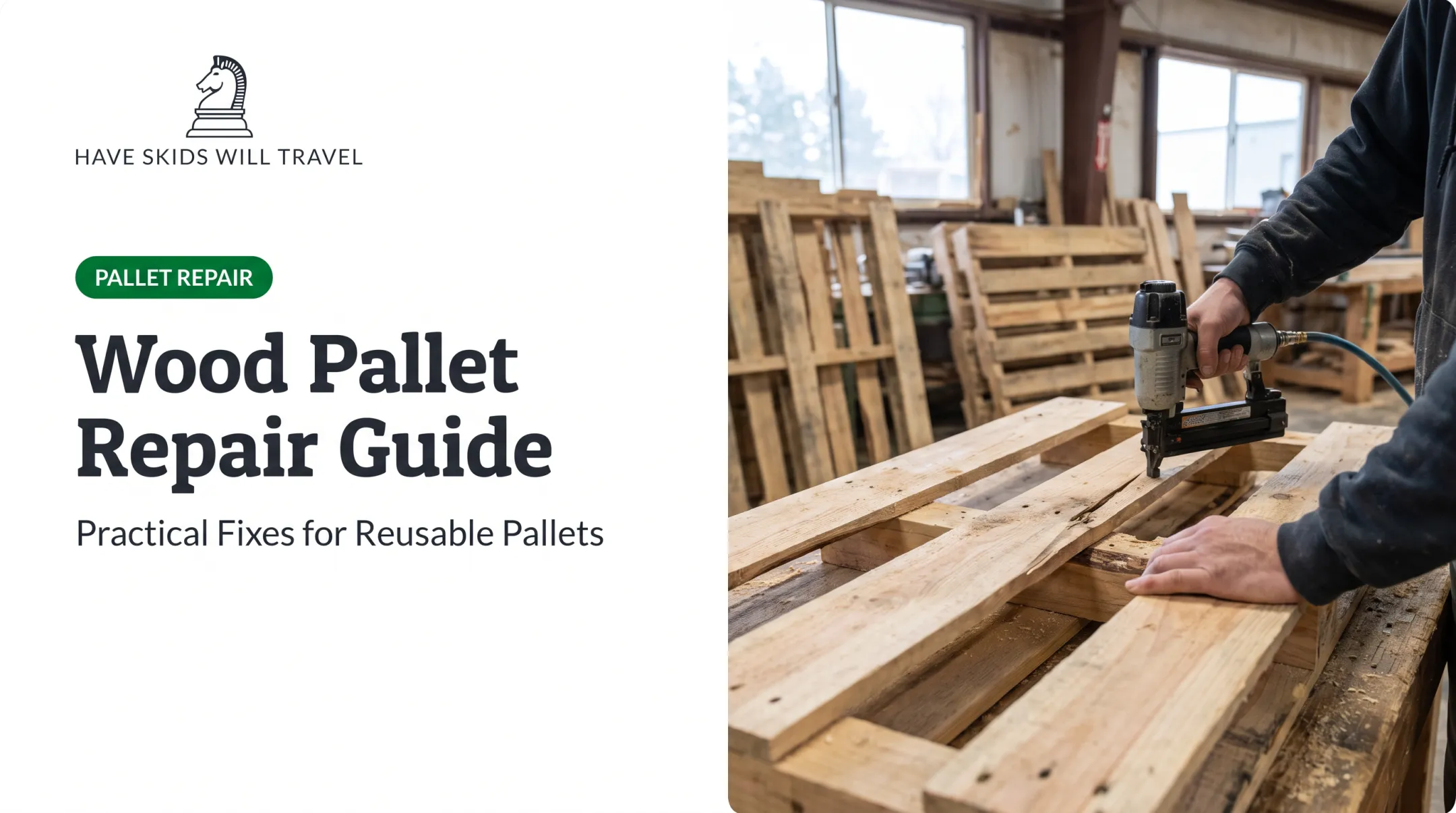
- Board and stringer replacement
- Nail removal and refastening
- Structural testing before reentry into circulation
Most wooden pallets can be reused and repaired multiple times, which stretches the life of the original timber far beyond a single trip through the supply chain.
Pallets too damaged to repair are dismantled. Sound boards become repair stock; remaining wood is commonly processed into mulch, animal bedding, or biomass fuel.

Grading and Redistribution
Once repaired, pallets are graded to match different load requirements and customer budgets.
Higher grades go to businesses needing pristine appearance or heavier load capacity; lower grades work fine for internal shipping. Repaired units get resold or returned to customers through buy-back arrangements.
Technology-Driven Tracking
Modern recyclers increasingly rely on cloud-based systems to track pallets from pickup through resale. Palleton's encrypted, paperless tracking system gives customers 24/7/365 access to inbound and outbound pallet records — useful for audits, accounting, and verifying recycling volumes.
That full loop adds up. A BioResources industry study estimated that roughly 15.9 million pallets were recovered, repurposed, or reused in 2016 at U.S. municipal solid-waste facilities alone—a meaningful diversion from landfills.
Benefits of Recycling vs. Disposing of Wood Pallets
Recycling beats disposal on three fronts: environmental impact, cost, and day-to-day operations.
Environmental:
- Conserves timber and reduces demand for fresh-cut lumber
- Diverts usable wood from landfills
- Supports material substitution (mulch, bedding, fuel) instead of raw material extraction
Economic:
- Cuts disposal fees, which vary by region and facility
- Opens the door to buy-back revenue instead of paying to throw pallets away
- Reduces the need to buy new pallets at full price
Operational:
- Reduces disruption from pallet shortages
- Supports a circular supply chain where materials keep moving instead of dead-ending
- Palleton's buy-back and recycling programs turn used pallets into credit or recovered materials instead of landfill waste
How Much Is a Recycled Wood Pallet Worth?
There's no single price tag for a recycled wood pallet. Value depends on:
- Wood grade — premium hardwood pallets fetch more than standard softwood
- Size — 48×40 GMA pallets are in steady demand due to standardization
- Condition — sound, repairable pallets are worth more than heavily damaged ones

Presorted, uniform loads typically earn more than mixed loads. Mixed loads may even draw hauling or disposal charges instead of a payout.
Buy-back programs, like the one Palleton offers, let businesses recover value from used pallets rather than paying to dispose of them. Pricing still shifts with regional supply, demand, and season, so contact a recycler directly for current rates instead of relying on a national average.
Partnering With a Pallet Recycling Provider
Not every recycler offers the same level of service. Here's what to look for.
Certification Matters
An ISPM-15 heat-treat certified provider ensures your pallets meet export and food-grade compliance standards. Palleton's kilns bring the wood core to the required temperature and hold it for at least 30 minutes, then mark each unit with the approved treatment code. That matters if you're shipping internationally or handling food-grade goods where chemical residue isn't an option.
Program Variety
Palleton's lineup includes:
- 100% recycled wood pallets for everyday shipping needs
- Combo pallets that blend new and recycled components
- Buy-back and core-recovery programs where available
That flexibility lets you match your pallet program to budget and load requirements—without overpaying for new pallets when recycled or combo options fit the job.
Nationwide Reach, Local Reliability
With seven facilities, including a lumber mill, Palleton serves customers across the Midwest. Combined with cloud-based tracking, this setup simplifies logistics for businesses managing pallet programs across multiple locations — no chasing paperwork, no guessing where your inventory stands.
Frequently Asked Questions
How much is a recycled wood pallet worth?
Value depends on wood grade, size, and condition, with presorted loads typically worth more than mixed ones. Contact Palleton for current buy-back pricing based on your load and location.
How can I get rid of old wood pallets?
Sell or donate usable pallets, recycle through a pallet recycler, repurpose damaged ones for DIY projects, or send truly unusable wood to a landfill as a last resort.
Are all wood pallets recyclable?
Most wood pallets are recyclable unless heavily damaged or contaminated. Chemically treated wood (marked MB) requires special handling and isn't suitable for standard recycling or DIY reuse.
Can I burn wood pallets for firewood?
Only untreated or HT-stamped pallets are safer to burn as dry, seasoned wood. Chemically treated pallets should never be burned, since they can release harmful chemicals.
What is the difference between heat-treated and chemically treated pallets?
Heat treatment (HT) uses temperature alone, reaching at least 56°C (133°F) for 30 minutes to meet ISPM-15 export standards. Chemical treatment, like methyl bromide fumigation (MB), uses fumigants instead of heat, which matters for reuse and disposal decisions.
Does my business need a pallet recycling program?
If you're generating pallets consistently, a recurring recycling or buy-back program can cut disposal costs and recover value you'd otherwise lose. Talk to a recycler about volume-based options that fit your operation.